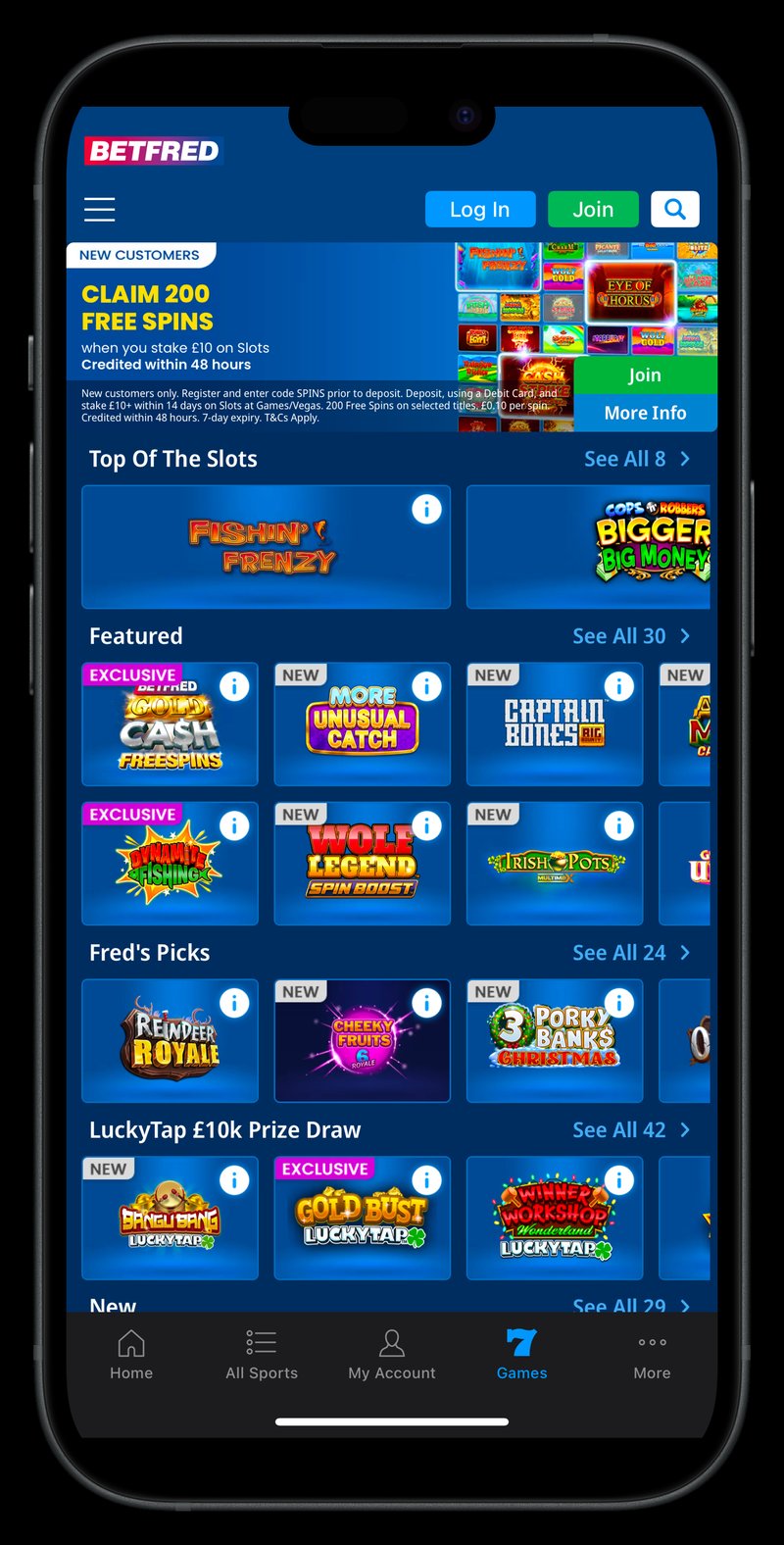
In the next few sections you’ll discover how mobile gaming apps are reshaping the UK’s entertainment scene, from the way people spend leisure time to the economic ripple effects across related industries.
1. The Daily Dose of On‑The‑Go Fun
Every weekday, 3.2 million UK users download a new game or update an existing one. That number is up 15 % from last year, meaning the average citizen now spends roughly 18 minutes a day on mobile gaming. The majority of these sessions happen during short breaks—commutes, lunch breaks, or waiting for a bus—turning idle moments into interactive experiences.
Because games are free to download, the barrier to entry is low. However, in-app purchases can add up; the average spend per active player is £4.50 a month, a figure that has grown steadily over the past three years. This spending fuels a secondary market of micro‑transactions and subscription models, which in turn supports a network of developers and content creators.
2. A New Revenue Stream for the Entertainment Economy
Mobile games now contribute more than £2.1 billion to the UK entertainment sector. That figure includes revenue from advertising, in‑app sales, and partnerships with brands. A 2024 report from the UK Interactive Entertainment Association found that 78 % of game developers now collaborate with fashion or beverage companies to create branded in‑game items, opening a cross‑industry revenue channel.
For small studios, the cost of launching a game can be as low as £15 000 for a simple puzzle title. By contrast, a traditional film or TV production can cost upwards of £3 million. This disparity gives indie developers a chance to compete, leading to a surge in creative, niche titles that cater to specific audience segments—think gardening simulators or historical strategy games.
3. Social Connectivity and Community Building
Many mobile games now feature real‑time multiplayer modes. In 2023, 42 % of UK players reported that the social aspect of a game—chatting with friends, forming guilds, or competing in leaderboards—was the primary reason they stayed engaged. This social layer has turned casual players into communities that meet weekly in virtual spaces, often sharing tips, trading virtual goods, or organizing events.
One notable example is a battle‑royale title that introduced “family squads,” allowing relatives who live in different cities to play together. The feature increased daily active users by 27 % during its first month of launch, proving that social connectivity can directly boost user retention.
4. Bridging the Gap Between Traditional and Digital Entertainment
While many people still enjoy watching TV or reading a book, mobile gaming has become a complementary activity. In fact, a recent survey showed that 58 % of respondents play a game while watching a TV show, and 36 % read a news article on their phone before or after playing. This overlap suggests that mobile games are no longer a separate pastime but part of a blended media diet.
For those curious about how this trend extends into other online entertainment, check out spinboss casino online. It offers a glimpse into the broader world of digital leisure, where gaming, gambling, and streaming intersect.
5. Challenges and Ethical Considerations
Not every aspect is positive. The rapid growth of micro‑transactions has raised concerns about predatory pricing, especially among younger players. A 2023 study by the UK Charity Foundation found that 12 % of children under 12 had spent money on a game without parental approval, often using gift cards.
Regulators are responding: the UK government introduced a new “age‑verification” requirement for all in‑app purchases in 2025, aimed at reducing accidental spending. Developers now need to implement age‑gate screens and clearer purchase summaries, which can slightly increase development time but ultimately protect vulnerable users.
Conclusion
Mobile gaming apps are no longer niche hobbies; they are a mainstream force reshaping how UK citizens spend leisure time, how money flows through the entertainment sector, and how social connections form in digital spaces. While the industry faces regulatory and ethical hurdles, the overall trend points toward a more integrated, interactive entertainment ecosystem that blends the physical and digital worlds in everyday life.
Frequently Asked Questions
How many UK users download mobile games each weekday?
Approximately 3.2 million UK users download a new game or update a current one every weekday.
What is the average daily mobile gaming time for UK citizens?
On average, UK users spend about 18 minutes a day playing mobile games.
How has mobile gaming growth changed in the last year?
Downloads have risen 15 % year‑over‑year, indicating a steady rise in mobile gaming engagement.
Where do most mobile gaming sessions occur in the UK?
Most sessions happen during short breaks, such as lunch or commute times, reflecting quick, on‑the‑go entertainment.