That figure, from a 2024 Digital UK survey, shows mobile gaming is no longer a niche hobby. It’s a daily habit that’s reshaping how we spend leisure time, how we interact with brands, and even how we think about entertainment budgets.
From pocket‑size to pocket‑full: the growth curve
In 2019 the UK mobile gaming market was worth £1.2 billion. By 2023 it had risen to £1.8 billion, a 50 % jump in four years. The key driver? Casual titles that can be played in two‑minute bursts, plus a steady stream of free‑to‑play games that generate revenue through micro‑transactions. The growth is not limited to the young; a 2024 report shows that 45 % of players aged 35‑54 download at least one new game each month.
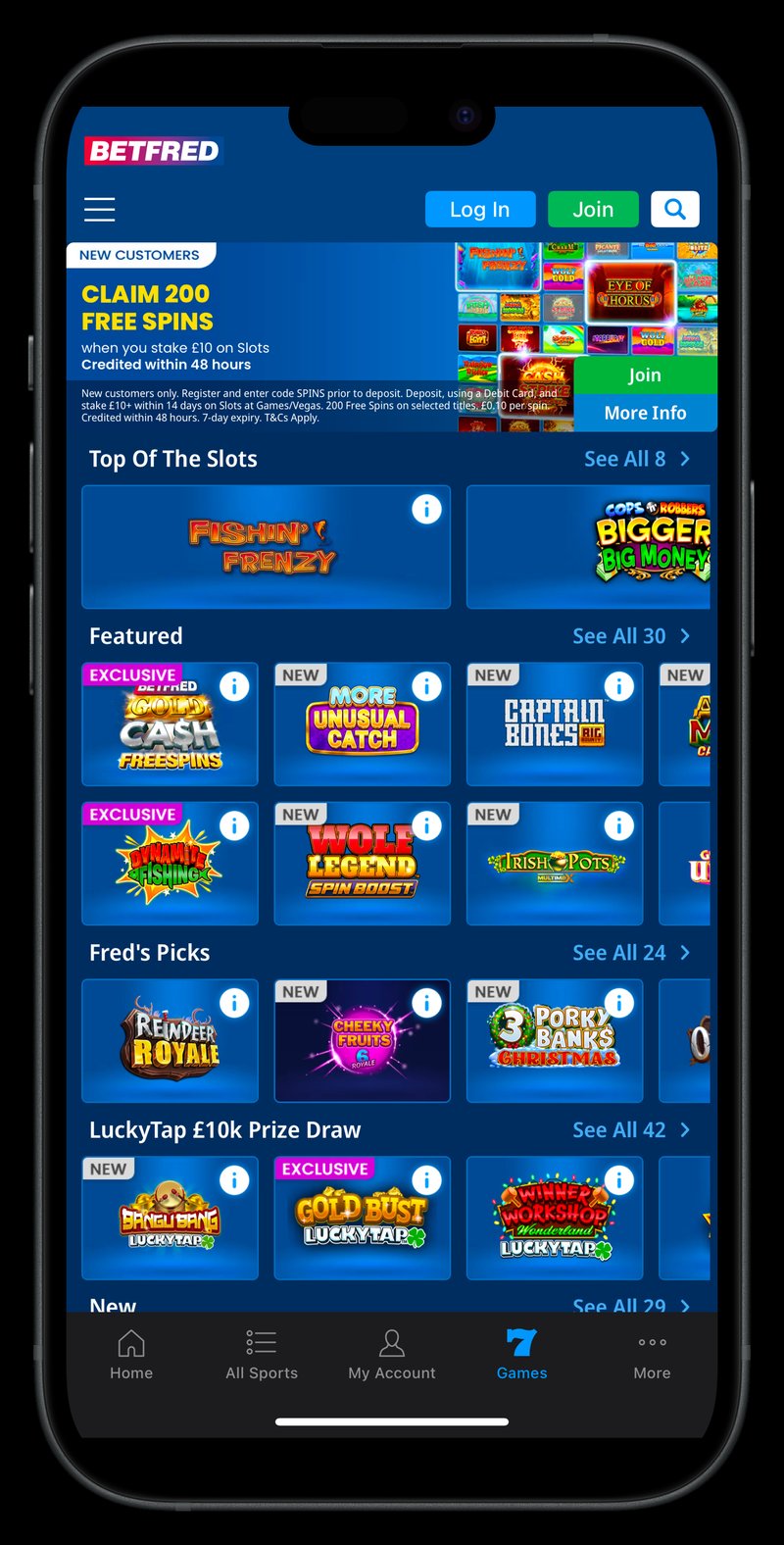
The new social fabric of play
Mobile games now serve as social hubs. Multiplayer features, in‑app chat, and cross‑platform leaderboards mean that a casual match can turn into a weekly ritual. In 2023, 38 % of UK players said they “meet friends through gaming apps,” and 27 % joined a community forum to discuss strategies. This social layer has blurred the line between gaming and social networking, turning a simple tap into a shared experience.
Monetisation models that fit a busy life
Free‑to‑play is the dominant model, but the way it monetises has evolved. Instead of large upfront purchases, developers now offer “loot boxes” and “battle passes” that unlock new skins or levels over a set period. A 2024 survey found that 52 % of UK players have spent more than £50 on in‑app purchases in a single year. The convenience of one‑click payments via Apple Pay or Google Pay removes friction, making micro‑transactions feel almost inevitable.
Gaming on the go: the rise of mobile-first narratives
Story‑driven titles that were once the preserve of consoles are now being released exclusively for mobile. Games like “The Last of Us: Part II – Mobile” and “Horizon Forbidden West: Pocket Edition” demonstrate that high‑quality graphics and complex narratives can run on a phone. Developers use adaptive resolution and dynamic lighting to keep frame rates above 30 fps on mid‑range devices, ensuring that narrative depth doesn’t compromise performance.
From entertainment to commerce: the brand‑gaming partnership
Brands are increasingly using mobile games as marketing platforms. A 2023 case study showed that a UK fashion retailer saw a 15 % lift in online sales after launching a branded mini‑game that rewarded users with discount codes. The integration is subtle: a virtual pop‑up shop inside a popular game, or a branded avatar skin that appears in a free‑to‑play title. These collaborations tap into the same audience that spends hours on their phones, making advertising feel like part of the gameplay rather than an interruption.
For those who enjoy a blend of casual play and a touch of competition, the world of online gaming offers a broader range of experiences. Whether you’re looking for a quick puzzle to pass the bus ride or a full‑blown multiplayer arena, the options are vast. Check out https://www.gocharged.co.uk for a curated selection of titles that fit every mood.
What the future might hold
Looking ahead, 5G rollout and edge computing are expected to lower latency, making real‑time multiplayer on mobile as smooth as on a console. Meanwhile, augmented reality (AR) features are already being tested in games like “Pokémon Go 2,” hinting at a future where the line between virtual and physical play blurs even further. If the current trajectory continues, mobile gaming could surpass traditional TV viewership as the primary source of entertainment for UK households by 2027.
Bottom line
Mobile gaming has moved from a pastime to a cultural force. It’s reshaping how we socialize, how we spend, and how brands reach audiences. The next step is likely to be a deeper integration of technology—AR, 5G, and AI—turning every smartphone into a portal for immersive, on‑demand entertainment.